
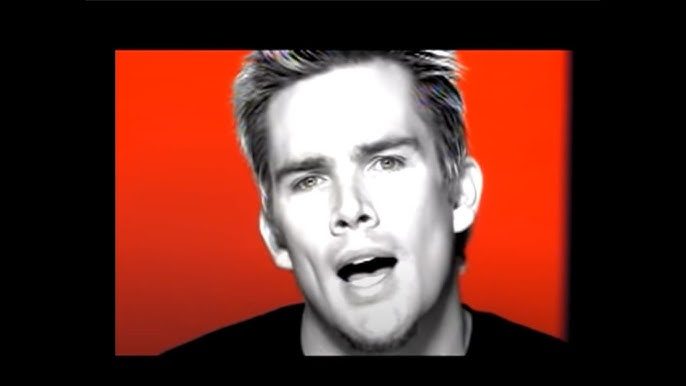
Sugar Ray Shop: How the Band Shaped 90s Pop‑Rock Forever
When you hear the opening chords of “Fly” or “Every Morning,” it’s hard to imagine a world without the sunny, carefree vibe that defined the 90s pop‑rock scene. Few bands captured that essence like Sugar Ray, whose breezy melodies and laid‑back swagger became the soundtrack of an entire generation. Beyond the hits, the band's influence seeped into fashion, radio playlists, and even the way fans shopped for memorabilia, cementing a legacy that still pops up in today’s playlists. Let’s explore how Sugar Ray not only shaped the sound of the decade but also left an indelible mark on 90s culture.
The Rise of Sugar Ray: From Underground to Mainstream
Formed in Orange County, California, Sugar Ray started as a funk‑metal outfit before pivoting to a more accessible pop‑rock sound. Their breakthrough came with the 1997 single “Fly,” which dominated the charts and introduced a new, breezy aesthetic to radio airwaves. The band’s unexpected transition resonated with a broad audience, proving that catchy hooks could coexist with honest, relatable lyrics. This shift not only boosted their commercial success but also opened doors for other alternative acts to experiment with mainstream-friendly melodies.
The timing was perfect: the late 90s were ripe for a band that could blend surf‑inspired guitar tones with pop sensibilities. As stations like MTV and VH1 began to favor lighter, feel‑good tracks, Sugar Ray filled the niche, quickly becoming a staple on summer playlists and cementing their place in the era’s cultural zeitgeist.
Sugar Ray Shop: A Nostalgic Hub for Fans
One tangible reminder of the band's impact is the Sugar Ray Shop, an online and brick‑and‑mouse destination that curates vintage tour shirts, limited‑edition posters, and retro accessories. The store not only offers fans a way to own a piece of the band’s history but also reflects the broader trend of 90s bands monetizing nostalgia through exclusive merch. By providing high‑quality, era‑authentic items, the Sugar Ray Shop keeps the spirit of the band alive for both longtime followers and new listeners discovering the music for the first time.
Beyond just merchandise, the shop serves as a cultural museum, showcasing how the band's visual aesthetic—bright colors, surf‑inspired graphics, and playful typography—mirrored the carefree attitude of their music. This synergy between sound and style helped reinforce the band's brand, turning casual listeners into devoted fans who proudly wore their gear to concerts and everyday life.
Signature Sound and Pop‑Rock Fusion
Sugar Ray’s music is characterized by its effortless fusion of pop hooks, rock guitars, and a hint of reggae rhythm. Tracks like “Every Morning” and “Someday” feature crisp, upbeat melodies that are instantly memorable, while the lyrics often touch on simple, universally relatable themes such as love, friendship, and summer fun. This formula made their songs perfect for radio rotation, driving massive chart success and ensuring they remained staples on playlists for years to come.
By embracing a polished production style without sacrificing authenticity, the band set a template for future pop‑rock acts. Their collaborative approach—mixing various genres while keeping a consistent, sunny vibe—helped break down barriers between alternative and mainstream music, encouraging other artists to experiment with cross‑genre sounds.
Legacy and the Modern Revival
Two decades later, the influence of Sugar Ray can still be heard in contemporary bands that blend indie pop with rock riffs. Their legacy is also evident in the resurgence of 90s nostalgia across media, fashion, and streaming platforms. New generations discover the band through curated playlists, while original fans relive memories through the Sugar Ray Shop’s exclusive drops and retro concert footage.
In a music landscape that constantly seeks fresh sounds, Sugar Ray’s timeless appeal reminds us that a well‑crafted, feel‑good song can transcend eras. Their impact on 90s pop‑rock remains a benchmark for how a band can shape an entire decade’s cultural identity while continuing to inspire listeners long after the final chord fades.